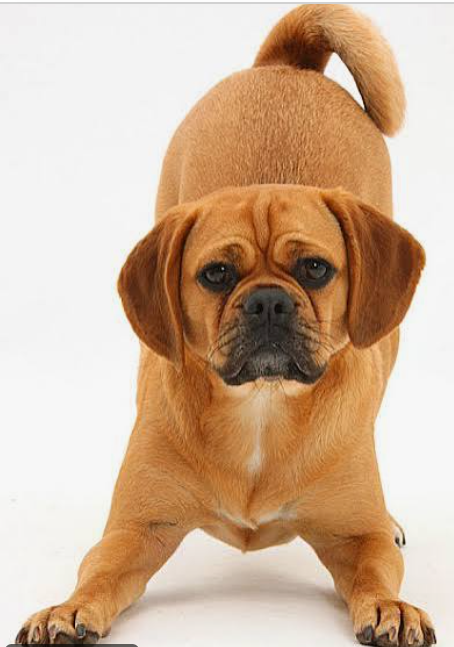
Puggle (Beagle Backcross)
Designer Mixed Breed - Puggle Backcrossed to Beagle - More Beagle Influence
15-30 lbsWeight
12-16 inHeight
12-15 yrsLifespan
Tri-color, Fawn, Lemon, RedColors
Designer Mixed Breed - Puggle Backcrossed to Beagle - More Beagle Influence
The Puggle (Beagle Backcross) is a designer crossbreed that blends two distinct dogs: the Puggle, the popular Pug-and-Beagle mix, and the Beagle, the merry, scent-driven pack hound. Breeders combine the two hoping to pair the Puggle's best traits — sociable, easygoing charm — with the Beagle's exceptional nose and a cheerful, sociable streak, all in one companion.
As a first-generation mix, the Puggle (Beagle Backcross) is not a standardized breed, so puppies — even littermates — can vary in size, coat, and personality depending on which parent they take after. Most are small dogs, typically weighing around the range shown above. The best way to picture an individual Puggle (Beagle Backcross) is to get to know both parent breeds.
As a first-generation mix, the Puggle (Beagle Backcross) is not a standardized breed, so puppies — even littermates — can vary in size, coat, and personality depending on which parent they take after. Most are small dogs, typically weighing around the range shown above. The best way to picture an individual Puggle (Beagle Backcross) is to get to know both parent breeds.
Puggle (Beagle Backcross)s tend to be friendly, playful, and affectionate — and, from the Beagle side, friendly, curious, and food-motivated. From its Puggle parent it often inherits a sociable, easygoing charm, while the Beagle contributes an exceptional nose and a cheerful, sociable streak. The blend usually makes an affectionate, family-oriented companion, but because temperament can lean either way, early socialization and consistent, positive handling are important to bring out the best of both parents.
The Puggle (Beagle Backcross) has moderate energy: about 45 minutes to an hour of daily walks, play, and light training keeps it fit and content without demanding an athlete's schedule.
The coat is low-maintenance — a weekly brush and occasional bath are usually enough. Stay consistent with nail trims, ear checks, and dental care, which matter for dogs of every coat type.
The Puggle (Beagle Backcross) responds best to patient, consistent, reward-based training and early socialization. Short, upbeat sessions work better than repetition or heavy correction. Establishing clear, kind boundaries early helps it grow into a well-adjusted companion.
Mixed-breed dogs often enjoy some 'hybrid vigor,' but the Puggle (Beagle Backcross) can still inherit any of the health conditions common to its parent breeds. Owners should be aware of breathing issues, ear infections, obesity, and epilepsy. Buying from a breeder who health-tests both the Puggle and the Beagle parents, keeping your dog at a healthy weight, and staying current with routine veterinary care are the best ways to support a long, healthy life.
| Stage | Daily Amount | Notes |
|---|---|---|
| Puppy | 1-2.5 cups | 3 meals/day |
| Adult | 1.5-3 cups | 2 meals/day |
| Senior | Reduce 10-20% | Joint support |
| Expense | Cost |
|---|---|
| Puppy | $400-$1,200 |
| Monthly Food | $35-$60 |
| Annual Vet | $350-$800 |
Backcrossing to one parent breed increases the influence of that breed traits and reduces the other. Puggle Beagle backcrosses aim for Beagle temperament with potential health improvements.
The extra Beagle genetics typically produces a longer muzzle than a standard Puggle - which can improve breathing and reduce brachycephalic syndrome risk significantly.