New Guinea Singing Dog
Primitive Type · Rare Canid · The "singing" wild dog of the highlands
17–31 lbsWeight
13–18 inHeight
15–20 yrsLifespan
HighEnergy
Primitive Type · Rare Canid · The "singing" wild dog of the highlands
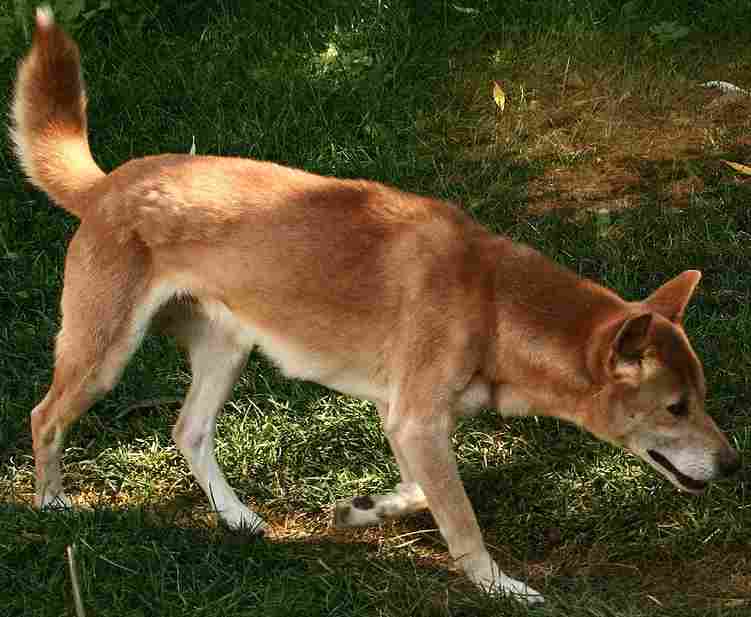
Real New Guinea Singing Dog dogs — verified photos from Wikimedia Commons.
The New Guinea Singing Dog is an ancient and extremely rare primitive dog from the remote highlands of New Guinea, closely related to the Australian Dingo. It is famous for its unique vocalizations — a melodic, harmonic howl unlike any other canine, which gives the breed its name. Long thought possibly extinct in the wild, wild populations were reconfirmed in the New Guinea Highlands in recent years.
Highly intelligent, agile, and independent, "Singers" are remarkable escape artists and climbers with an intense prey drive. The small captive population descends from a handful of dogs taken from New Guinea decades ago. They are best understood as wild or semi-wild animals kept by specialist conservators and sanctuaries rather than as household pets, though they can form deep bonds with familiar caretakers.
New Guinea Singing Dogs are intelligent, independent, and intensely curious primitive canids. They bond with familiar people but retain strong wild instincts, remarkable agility, and a powerful prey drive.
The New Guinea Singing Dog is a high-energy breed that needs substantial daily exercise to stay physically and mentally healthy. Match activity to the dog's age and fitness, and remember that mental work is as important as physical exertion.
The New Guinea Singing Dog has a short, dense coat with moderate shedding. A consistent, simple grooming routine keeps the coat healthy and your home cleaner.
The New Guinea Singing Dog responds best to consistent, reward-based training started early. Patience and clear, fair boundaries bring out the best in this breed.
The New Guinea Singing Dog is generally a hardy breed, but responsible breeders screen for the conditions below. Buying from health-tested parents significantly reduces risk.
The New Guinea Singing Dog suits owners who can meet its exercise, training, and companionship needs. Consider your living space, schedule, and experience level before bringing one home.
📷 Photo: Patti McNeal · CC BY 2.0 · via Wikimedia Commons
New Guinea Singing Dogs need consistent, well-portioned meals matched to their life stage. Overfeeding is a major health risk — use these guidelines and adjust to your dog's activity and body condition.
General guidelines for a medium breed. Always follow your food brand's instructions and adjust for activity level.
These common human foods can be toxic — even life-threatening — for dogs. Keep them safely out of reach.
Always bring your dog's regular food when boarding — sudden food changes cause digestive upset. Share your exact feeding schedule and portions with the facility.
The upfront cost is just the beginning. Here's a realistic breakdown of what to expect to acquire and own one.
Beyond purchase price, expect ongoing monthly costs across these categories:
Buy pet insurance before your dog turns 1 for the best rates and fewest exclusions. Compare 2–3 providers before committing.