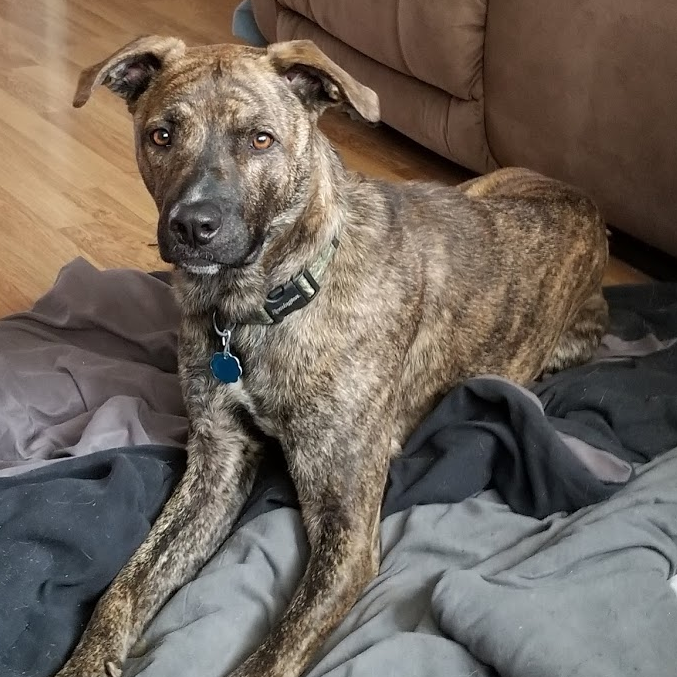
Mountain Cur

Mountain Cur

Working Group · Purebred · The pioneer's rugged Appalachian treeing dog

30–60 lbsWeight
16–26 inHeight
12–16 yrsLifespan
HighEnergy

📸 Photo Gallery

Real Mountain Cur dogs — verified photos from Wikimedia Commons.

🐾 Overview

The Mountain Cur is a hardy American working dog that helped settlers survive in the Appalachian and Ohio Valley frontier. Pioneers relied on these dogs to tree game for food and fur, drive livestock, and guard isolated cabins. By the mid-20th century the breed nearly disappeared as families left the land, but a small group of dedicated breeders revived it starting in the 1950s.

Built for stamina and grit, the Mountain Cur is courageous, intelligent, and intensely devoted to its work and family. It is a natural treeing dog with a strong prey drive and an independent mind. These are not couch dogs — they need an active, outdoorsy home with plenty of exercise and ideally a job, but reward the right owner with fierce loyalty.

😊 Temperament & Personality

The Mountain Cur is brave, energetic, and loyal, bred for relentless work in rough country. It is protective of family and naturally reserved with strangers, needing exercise and purpose to thrive.

  • Tireless worker — bred to tree game and drive stock all day
  • Courageous and protective — a capable watchdog
  • High prey drive — caution around small animals
  • Intelligent but independent — needs consistent training
  • Best for active, rural, or hunting households
  • Extremely hardy with few health problems

🏃 Exercise & Activity Needs

The Mountain Cur is a high-energy breed that needs substantial daily exercise to stay physically and mentally healthy. Match activity to the dog's age and fitness, and remember that mental work is as important as physical exertion.

  • Daily exercise: 1–2 hours of vigorous activity, split across the day
  • Provide enrichment — puzzle feeders, scent games, and training — to prevent boredom
  • Secure, fenced space is ideal for safe off-leash running
  • Build up gradually and avoid overexertion in young puppies to protect developing joints

✂️ Grooming & Coat Care

The Mountain Cur has a short, dense coat with moderate shedding. A consistent, simple grooming routine keeps the coat healthy and your home cleaner.

  • Brush weekly; increase during seasonal shedding
  • Bathe every 6–8 weeks or as needed — avoid overbathing
  • Check and clean ears weekly to prevent infection
  • Trim nails every 3–4 weeks and brush teeth regularly

🎓 Training

The Mountain Cur responds best to consistent, reward-based training started early. Patience and clear, fair boundaries bring out the best in this breed.

  • Begin socialization and training as early as possible
  • Use positive reinforcement — treats, praise, and play
  • Keep sessions short, varied, and consistent across the household
  • Exercise before training — a settled dog focuses better

🏥 Health & Common Issues

The Mountain Cur is generally a hardy breed, but responsible breeders screen for the conditions below. Buying from health-tested parents significantly reduces risk.

Generally very hardy Hip dysplasia (uncommon) Ear infections Minor cuts/injuries from work
Average Lifespan
12–16 yrs
Size Category
Medium — 30–60 lbs
Vet Visits
Annual wellness exams + vaccinations
Pet Insurance
Strongly recommended for all breeds

🏠 Is a Mountain Cur Right for You?

The Mountain Cur suits owners who can meet its exercise, training, and companionship needs. Consider your living space, schedule, and experience level before bringing one home.

👶With Kids★★★★☆
🐕With Dogs★★★☆☆
🐈With Cats★★☆☆☆
🏠Apartment★☆☆☆☆
🔰First-Time Owner★★☆☆☆
🌡️Hot Climates★★★★☆

📷 Photo: ThoHug · CC BY-SA 4.0 · via Wikimedia Commons

🍽️ How Much to Feed a Mountain Cur

Mountain Curs need consistent, well-portioned meals matched to their life stage. Overfeeding is a major health risk — use these guidelines and adjust to your dog's activity and body condition.

Puppy (8–12 weeks)
3 meals (puppy)
Puppy (3–6 months)
3 meals per day
Adult (1+ year)
2 meals per day
Senior (7+ years)
2 smaller meals per day

📏 Daily Portion Guide

General guidelines for a medium breed. Always follow your food brand's instructions and adjust for activity level.

Inactive
1–1½ cups/day
Average
1½–2 cups/day
Active / Working
2–2½ cups/day
Treats
≤10% of daily calories

🚫 Foods That Are Dangerous

These common human foods can be toxic — even life-threatening — for dogs. Keep them safely out of reach.

ChocolateGrapes & RaisinsOnions & GarlicXylitolMacadamia NutsAlcoholAvocado

💡 Tip: Boarding your Mountain Cur?

Always bring your dog's regular food when boarding — sudden food changes cause digestive upset. Share your exact feeding schedule and portions with the facility.

💰 How Much Does a Mountain Cur Cost?

The upfront cost is just the beginning. Here's a realistic breakdown of what to expect to acquire and own one.

Reputable Breeder
$600–$2,000
Rare / Champion Lines
$2,000–$4,000
Rescue / Adoption
$50–$400
Monthly Ownership
$110–$230

📅 Monthly Cost of Ownership

Beyond purchase price, expect ongoing monthly costs across these categories:

Food
Quality kibble for a medium dog
Vet (annual)
$400–$900/year
Pet insurance
$30–$70/month
Supplies & toys
$15–$40/month

💡 Money-saving tip

Buy pet insurance before your dog turns 1 for the best rates and fewest exclusions. Compare 2–3 providers before committing.

🎉 Amazing Facts About the Mountain Cur

  • 🪓 The Mountain Cur was essential to American frontier survival — treeing game for food and fur and guarding the homestead.
  • 📉 The breed nearly went extinct in the 1940s–50s as rural families moved to cities.
  • 🐿️ They are prized "treeing" dogs, chasing squirrels and raccoons up trees and barking to alert the hunter.
  • 🏛️ Four men — including Hugh Stephens and Carl McConnell — are credited with formally saving the breed in 1957.
  • 🌲 The breed thrives in rugged terrain and is renowned for its endurance and toughness.

📋 Mountain Cur At a Glance

Origin
United States (Appalachia)
Recognition
UKC recognized
Group
Working / Hound
Coat
Short, dense