 ❄️
❄️
Huskydoodle
Hybrid / Designer · Hybrid · Husky drama meets Poodle poise — a striking, chatty, adventurous companion
40–60 lbsWeight
18–22 inHeight
10–13 yrsLifespan
HighEnergy
❄️
Hybrid / Designer · Hybrid · Husky drama meets Poodle poise — a striking, chatty, adventurous companion
Watch this video for a quick overview of the Huskydoodle — see the breed in action before diving into the details below.
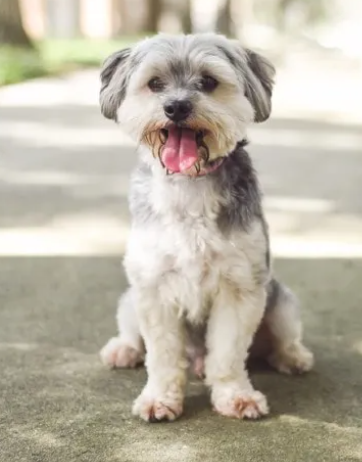
The Huskydoodle (also called Siberpoo or Huskypoo) is a cross between the Siberian Husky and the Standard or Miniature Poodle. The Husky contributes its striking looks, athletic build, and famously vocal personality, while the Poodle brings intelligence, trainability, and a dramatically reduced shedding coat. The result is a head-turning, high-energy companion.
Huskydoodles are for experienced, active dog owners. They can be independent and strong-willed (the Husky influence) but respond well to positive reinforcement when motivated. Their Poodle side makes them more trainable than a purebred Husky, and their coat — often wavy rather than double-coated — sheds far less than either parent alone. They often have striking blue or parti-colored eyes.
Huskydoodles are known for being personality can vary — early socialization shapes their adult character. They form deep bonds with their families and thrive on consistent human connection. As a high-energy hybrid, they are best matched with active owners who enjoy outdoor activities and can commit to regular exercise.
Training is generally a pleasure with Huskydoodles — they are responsive, motivated, and pick up commands quickly. They are typically gentle and patient with children, making them a reliable family companion.
Huskydoodles are high-energy dogs that need significant daily exercise to stay physically and mentally healthy. Without adequate activity they can become restless, vocal, or destructive. They are happiest with owners who genuinely enjoy an active lifestyle.
Huskydoodles have a curly or wavy coat that grows continuously and does not shed the way most breeds do. Without regular grooming, the coat will mat and tangle — professional trims every 6–8 weeks are essential, along with daily or every-other-day brushing at home.
Huskydoodles are moderately trainable and respond well to patient, consistent positive reinforcement. They benefit from clear expectations and a calm, confident trainer who establishes routines early.
Keep sessions short — 10 to 15 minutes — and always end on a success. Enrolling in a puppy or adult obedience class provides structured learning and valuable socialization.
Huskydoodles may benefit from hybrid vigor, which can reduce the incidence of some hereditary conditions found in the parent breeds. That said, they can still inherit health issues from either side. Choosing a reputable breeder who health-tests both parents — and scheduling regular veterinary check-ups — is the best protection.
A Huskydoodle is a wonderful choice for families seeking a companion that blends the best qualities of both parent breeds. They tend to thrive with engaged owners who provide consistent exercise, training, and socialization. As hybrids, individual traits can vary — meeting the specific dog before adopting is always a smart move.
Huskydoodles need consistent, well-portioned meals matched to their life stage. Overfeeding is one of the biggest health risks for any dog — use these guidelines and adjust based on your dog's activity level and body condition.
These are general guidelines for a large-breed dog. Always check the feeding instructions on your specific food brand, and adjust based on activity level and body condition score.
Look for dog foods where the first ingredient is a named protein — chicken, beef, salmon, or lamb. Large-breed formulas are calibrated for their metabolism and nutritional needs.
These common human foods can be toxic — even life-threatening — for dogs. Keep them safely out of reach at all times.
Always bring your Huskydoodle's regular food when boarding. Switching food suddenly can cause digestive upset. Provide the facility your exact feeding schedule and portion sizes.
The upfront cost of a Huskydoodle is just the beginning. Here's a realistic breakdown of what to expect — both to acquire one and to own one for their lifetime.
Beyond the purchase price, owning a Huskydoodle costs between $150–$300 per month on average. Here's where the money goes:
Over a 8–12 year lifespan, a Huskydoodle typically costs between $15,000–$28,000 total — depending on health, lifestyle, and the services you use.
Pet insurance is worth considering for any breed. Buying before your dog turns 1 gives the best rates and fewest pre-existing condition exclusions. Compare 2–3 providers before committing.
Because Huskydoodles have such wonderful traits, they're a popular choice for intentional mixed breeding. Here are the most common — and most loved — Huskydoodle crosses.
50% Husky, 50% Poodle. Wide variation in coat and personality.
F1 × Poodle. Curlier, less shedding, retains Husky markings.
Husky × Miniature Poodle. 25–40 lbs — more apartment-manageable.
Alternative names used by different breeders for the same cross.
Huskydoodles are full of surprises. Here are some of the most fascinating, funny, and heartwarming facts about this breed.