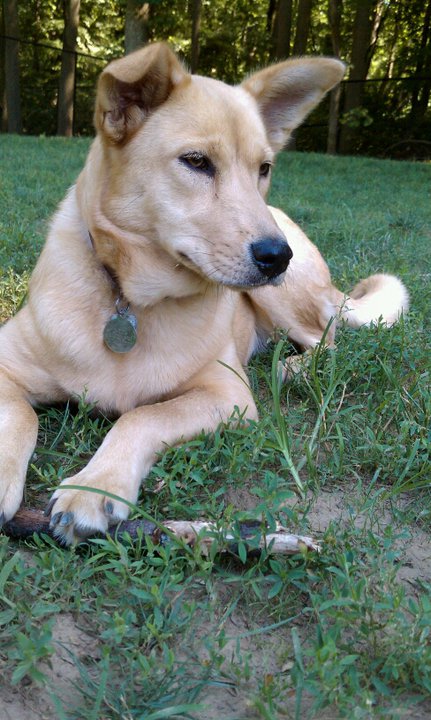
Carolina Dog
Primitive Type · Purebred · America's ancient free-ranging "Dixie Dingo"
30–55 lbsWeight
17–24 inHeight
12–15 yrsLifespan
MediumEnergy
Primitive Type · Purebred · America's ancient free-ranging "Dixie Dingo"
Real Carolina Dog dogs — verified photos from Wikimedia Commons.
The Carolina Dog — nicknamed the "American Dingo" or "Dixie Dingo" — is a primitive breed believed to descend from ancient dogs that crossed into the Americas with early peoples thousands of years ago. Free-ranging populations were rediscovered living semi-wild in the cypress swamps and pine forests of the rural Southeast, and were studied beginning in the 1970s by ecologist Dr. I. Lehr Brisbin.
Carolina Dogs have a classic primitive build: a wedge-shaped head, upright ears, a fishhook tail, and a sandy-red coat. They are intelligent, alert, and clean by nature, often showing dingo-like behaviors such as digging snout-pits and a strong pack instinct. They can be shy with strangers but form devoted bonds with their family, making a quiet, naturally healthy companion for patient owners.
Carolina Dogs are alert, intelligent, and naturally reserved, retaining many primitive instincts. They bond closely with their pack/family but are often cautious with strangers and new situations.
The Carolina Dog is a moderately active breed that needs regular daily exercise to stay physically and mentally healthy. Match activity to the dog's age and fitness, and remember that mental work is as important as physical exertion.
The Carolina Dog has a short, dense coat with moderate (seasonal) shedding. A consistent, simple grooming routine keeps the coat healthy and your home cleaner.
The Carolina Dog responds best to consistent, reward-based training started early. Patience and clear, fair boundaries bring out the best in this breed.
The Carolina Dog is generally a hardy breed, but responsible breeders screen for the conditions below. Buying from health-tested parents significantly reduces risk.
The Carolina Dog suits owners who can meet its exercise, training, and companionship needs. Consider your living space, schedule, and experience level before bringing one home.
📷 Photo: Tomc1977 · CC BY-SA 3.0 · via Wikimedia Commons
Carolina Dogs need consistent, well-portioned meals matched to their life stage. Overfeeding is a major health risk — use these guidelines and adjust to your dog's activity and body condition.
General guidelines for a medium breed. Always follow your food brand's instructions and adjust for activity level.
These common human foods can be toxic — even life-threatening — for dogs. Keep them safely out of reach.
Always bring your dog's regular food when boarding — sudden food changes cause digestive upset. Share your exact feeding schedule and portions with the facility.
The upfront cost is just the beginning. Here's a realistic breakdown of what to expect to acquire and own one.
Beyond purchase price, expect ongoing monthly costs across these categories:
Buy pet insurance before your dog turns 1 for the best rates and fewest exclusions. Compare 2–3 providers before committing.