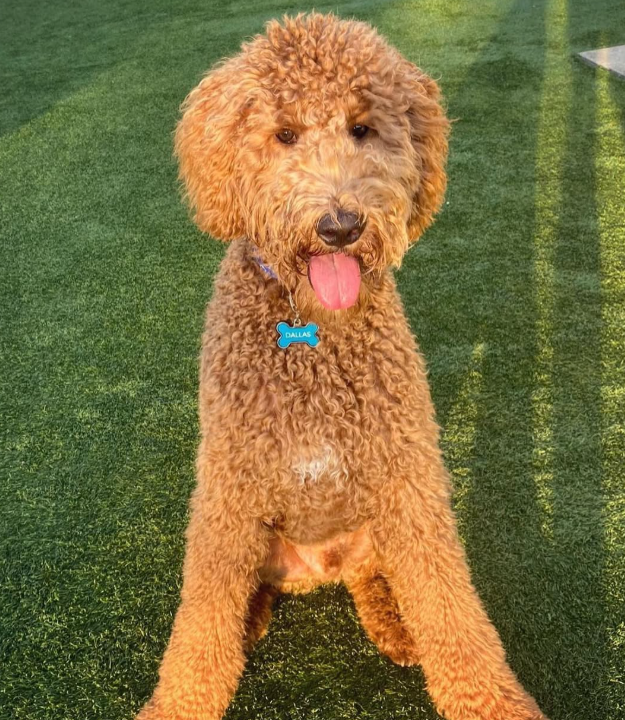
Boxerdoodle 🥊

Boxerdoodle

Hybrid / Designer · Hybrid · Boxer bounce meets Poodle brains — a loyal, low-shedding family athlete

40–70 lbsWeight
18–22 inHeight
10–14 yrsLifespan
HighEnergy

🎬 Boxerdoodle Facts

Watch this video for a quick overview of the Boxerdoodle — see the breed in action before diving into the details below.

🐾 Overview

The Boxerdoodle is a cross between the Boxer and the Poodle (Standard or Miniature). The Boxer contributes its iconic clownish personality, unwavering loyalty, and athletic build, while the Poodle brings intelligence, trainability, and a low-shedding coat. The result is a fun-loving, energetic companion that appeals to active families.

Boxerdoodles are affectionate and people-oriented — they love being the center of attention and thrive when included in family activities. They have a natural clownish streak from the Boxer side and pick up commands quickly thanks to Poodle intelligence. Daily vigorous exercise is essential; a well-exercised Boxerdoodle is a well-behaved Boxerdoodle.

😊 Temperament & Personality

Boxerdoodles are known for being sociable and adaptable. They form deep bonds with their families and thrive on consistent human connection. As a high-energy hybrid, they are best matched with active owners who enjoy outdoor activities and can commit to regular exercise.

Training is generally a pleasure with Boxerdoodles — they are responsive, motivated, and pick up commands quickly. They are typically gentle and patient with children, making them a reliable family companion.

  • Energetic and playful — needs daily outlets and consistent exercise to stay balanced
  • Affectionate and people-oriented — thrives on closeness with their family
  • Patient and gentle with children — a dependable family companion
  • Intelligent and eager to learn — responds enthusiastically to positive training methods
  • Personality can vary depending on which parent breed's traits dominate — early socialization is key
  • Mental stimulation is as important as physical exercise — puzzle toys and training prevent boredom

🏃 Exercise & Activity Needs

Boxerdoodles are high-energy dogs that need significant daily exercise to stay physically and mentally healthy. Without adequate activity they can become restless, vocal, or destructive. They are happiest with owners who genuinely enjoy an active lifestyle.

  • Daily exercise: 1.5 – 2+ hours of vigorous activity — split into morning and evening sessions
  • Daily exercise matched to the energy levels of the parent breeds — most hybrids fall in the moderate-to-high energy range
  • Off-leash time in a securely fenced yard or dog park is highly beneficial
  • Mental enrichment (puzzle feeders, scent games, obedience training) is as important as physical activity
  • Without adequate exercise they may develop destructive habits from boredom
  • Puppies: limit impact exercise to 5 minutes per month of age to protect developing joints

✂️ Grooming & Coat Care

Boxerdoodles have a curly or wavy coat that grows continuously and does not shed the way most breeds do. Without regular grooming, the coat will mat and tangle — professional trims every 6–8 weeks are essential, along with daily or every-other-day brushing at home.

  • Brush daily or every other day to prevent mats — use a slicker brush and metal comb
  • Professional grooming every 6–8 weeks to trim and shape the coat
  • Bathe every 4–6 weeks using a dog-specific moisturizing shampoo
  • Check and clean inside the ears weekly — curly-coated dogs trap moisture and debris
  • Trim nails every 3–4 weeks
  • Keep the face trimmed around the eyes to maintain visibility and prevent tear stains

🎓 Training

Boxerdoodles are highly responsive to training and genuinely enjoy learning. Their combination of intelligence and eagerness to please makes them a joy to work with — they pick up new commands quickly and retain them well.

Keep training sessions varied and engaging to prevent boredom. Boxerdoodles can handle advanced training — agility, nose work, therapy work, or competitive obedience are all excellent options for channeling their intelligence.

  • Begin training and socialization as early as possible — the puppy window is critical
  • Reward-based training (treats, praise, play) produces the best and fastest results
  • Be consistent — the same rules must apply every session and every family member must agree
  • Many popular hybrids include Poodle ancestry, which contributes high intelligence and trainability. Start early, be consistent, and use positive reinforcement.
  • Crate training establishes boundaries, aids house training, and gives your dog a safe personal space
  • A well-exercised dog is a focused dog — always exercise before training sessions for best results

🏥 Health & Common Issues

Boxerdoodles may benefit from hybrid vigor, which can reduce the incidence of some hereditary conditions found in the parent breeds. That said, they can still inherit health issues from either side. Choosing a reputable breeder who health-tests both parents — and scheduling regular veterinary check-ups — is the best protection.

Hybrid vigor may reduce some conditions Hip dysplasia Eye conditions Inherits parent-breed health risks Dental disease Obesity (if under-exercised)
Average Lifespan
10–14 yrs
Size Category
Medium — 40–70 lbs
Vet Visits
Annual wellness exams + vaccinations
Pet Insurance
Strongly recommended for all breeds

🏠 Is a Boxerdoodle Right for You?

A Boxerdoodle is a wonderful choice for families seeking a companion that blends the best qualities of both parent breeds. They tend to thrive with engaged owners who provide consistent exercise, training, and socialization. As hybrids, individual traits can vary — meeting the specific dog before adopting is always a smart move.

👶With Kids★★★★★
🐕With Dogs★★★★★
🐈With Cats★★★★☆
🏠Apartment★☆☆☆☆
🔰First-Time Owner★★★☆☆
🌡️Hot Climates★★★☆☆

🍽️ How Much to Feed a Boxerdoodle

Boxerdoodles need consistent, well-portioned meals matched to their life stage. Overfeeding is one of the biggest health risks for any dog — use these guidelines and adjust based on your dog's activity level and body condition.

Puppy (8–12 weeks)
3–4 small meals per day
Puppy (3–6 months)
3 meals per day
Adult (1+ year)
2 meals per day
Senior (7+ years)
2 smaller meals per day

📏 Daily Portion Guide by Weight

These are general guidelines for a large-breed dog. Always check the feeding instructions on your specific food brand, and adjust based on activity level and body condition score.

60 lbs (inactive)
2½ cups/day
70 lbs (average)
3 cups/day
80 lbs (active)
3½ cups/day
90 lbs (very active)
4 cups/day

✅ Best Foods for Boxerdoodles

Look for dog foods where the first ingredient is a named protein — chicken, beef, salmon, or lamb. Large-breed formulas are calibrated for their metabolism and nutritional needs.

  • High-protein active formula to fuel their energetic lifestyle
  • Glucosamine and chondroitin for joint support — both parents are dysplasia risks
  • Two meals daily (no free-feeding) to reduce bloat risk
  • Omega-3 fatty acids for coat health and heart support

🚫 Foods That Are Dangerous for Boxerdoodles

These common human foods can be toxic — even life-threatening — for dogs. Keep them safely out of reach at all times.

Chocolate Grapes & Raisins Onions & Garlic Xylitol (artificial sweetener) Macadamia Nuts Alcohol Avocado Raw yeast dough

🦴 Healthy Treats for Boxerdoodles

  • Carrots — low calorie, great for dental health
  • Blueberries — antioxidants and a sweet reward
  • Plain cooked chicken or turkey (no seasoning)
  • Apple slices (remove seeds and core)
  • Plain rice cakes — low-calorie training reward
  • Commercial treats sized appropriately for a large breed

💡 Tip: Boarding your Boxerdoodle?

Always bring your Boxerdoodle's regular food when boarding. Switching food suddenly can cause digestive upset. Provide the facility your exact feeding schedule and portion sizes.

💰 How Much Does a Boxerdoodle Cost?

The upfront cost of a Boxerdoodle is just the beginning. Here's a realistic breakdown of what to expect — both to acquire one and to own one for their lifetime.

Reputable Breeder
$800–$2,500
Show / Champion Lines
$2,000–$6,000+
Rescue / Adoption
$50–$500
Backyard Breeder ⚠️
$300–$800 (risky)

📅 Monthly Cost of Owning a Boxerdoodle

Beyond the purchase price, owning a Boxerdoodle costs between $150–$300 per month on average. Here's where the money goes:

Food (quality kibble)
$55–$90/month
Vet visits (annual)
$400 – $800/year
Pet insurance
$30 – $70/month
Grooming
$30 – $80/month
Toys & supplies
$15 – $35/month
Training classes
$100 – $300 (one-time)

📊 Lifetime Cost Estimate

Over a 8–12 year lifespan, a Boxerdoodle typically costs between $15,000–$28,000 total — depending on health, lifestyle, and the services you use.

  • First year is the most expensive: purchase cost + vaccinations + spay/neuter + starter supplies
  • Budget extra for unexpected vet bills — accidents and emergencies can happen to any breed
  • Pet insurance pays for itself if your dog ever needs surgery or serious treatment
  • Boarding costs: plan for $50–$100/night at quality facilities when you travel

💡 Money-saving tip

Pet insurance is worth considering for any breed. Buying before your dog turns 1 gives the best rates and fewest pre-existing condition exclusions. Compare 2–3 providers before committing.

💡 How to Save Money as a Boxerdoodle Owner

  • Get pet insurance before your dog turns 1 — premiums are lower and pre-existing conditions won't be excluded
  • Buy food in larger bags when possible — significantly cheaper per pound
  • Learn basic grooming at home — brushing, ear cleaning, and nail trimming save groomer fees
  • Ask your vet about wellness plans — many clinics offer annual packages that bundle routine care
  • Use a rewards credit card for larger vet bills
  • Adopt instead of buying — rescue Boxerdoodles are just as loving and cost a fraction of the price

🧬 Popular Boxerdoodle Mix Breeds

Because Boxerdoodles have such wonderful traits, they're a popular choice for intentional mixed breeding. Here are the most common — and most loved — Boxerdoodle crosses.

🐩 F1 Boxerdoodle

50% Boxer, 50% Poodle. Coat ranges from wavy to lightly curly.

Size
50–90 lbs
Energy
Moderate–High
Shedding
Low
Price
$800–$3,000

🐩 F1B Boxerdoodle

F1 × Poodle. Curlier, less shedding — better for allergy homes.

Size
50–90 lbs
Energy
Moderate–High
Shedding
Low
Price
$800–$3,000

🐩 Mini Boxerdoodle

Boxer × Miniature Poodle. 25–45 lbs — compact but still athletic.

Size
50–90 lbs
Energy
Moderate–High
Shedding
Low
Price
$800–$3,000

🐾 Boxerpoo

Alternative name used interchangeably with Boxerdoodle.

Size
50–90 lbs
Energy
Moderate–High
Shedding
Moderate
Price
$800–$3,000

🎉 Amazing Facts About Boxerdoodles

Boxerdoodles are full of surprises. Here are some of the most fascinating, funny, and heartwarming facts about this breed.

  • 🥊 Boxers were originally developed in Germany as working dogs for hunting and guarding — the Boxerdoodle inherits that protective instinct.
  • 🤡 The Boxer's "clownish" reputation is legendary; Boxerdoodles often inherit this playful, goofy personality.
  • 🎓 They are one of the easier large-breed doodles to train thanks to the Poodle's intelligence softening the Boxer's occasional stubbornness.
  • 💓 Cardiac health is a priority — the Boxer breed has elevated risk of heart conditions, so regular vet checkups are important.
  • 🧒 Boxerdoodles are known for their exceptional patience with children, making them excellent family dogs for active households.

📋 Boxerdoodle At a Glance

Hybrid
Boxer × Standard or Miniature Poodle
Sizes
Medium (40–55 lbs) or Large (55–70 lbs)
Coat
Wavy to curly, low-to-moderate shedding
Colors
Fawn, brindle, black, brown, parti

❤️ Why People Love the Boxerdoodle

  • Loyal and devoted companions who form deep bonds with their families
  • Adaptable to a wide variety of living situations with the right exercise and care
  • Unique history and personality that sets them apart from other breeds
  • Consistently ranked among the most rewarding breeds to live with