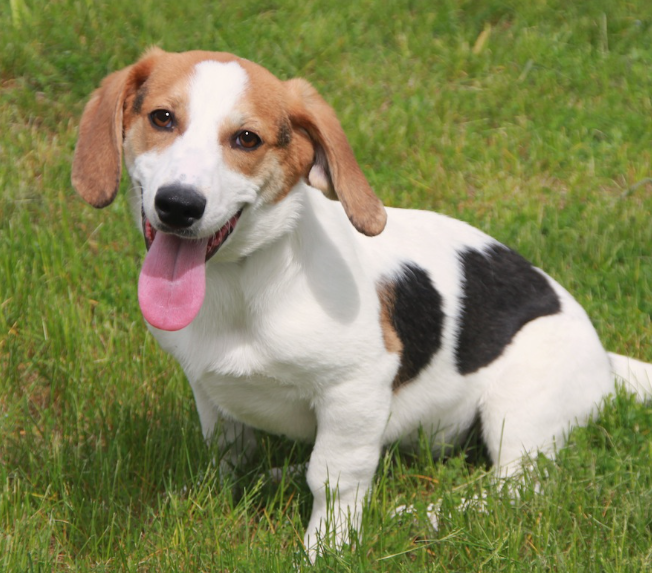
Bagle Hound
Designer Mixed Breed · Basset Hound x Beagle · Scent-Driven and Sweet
20-50 lbsWeight
12-17 inHeight
12-15 yrsLifespan
Tri-color, Red and White, LemonColors
Designer Mixed Breed · Basset Hound x Beagle · Scent-Driven and Sweet
The Bagle Hound is a designer crossbreed that blends two distinct dogs: the Basset Hound, a low-slung, long-eared scent hound, and the Beagle, the merry, scent-driven pack hound. Breeders combine the two hoping to pair the Basset Hound's best traits — outstanding nose and a mellow, affectionate nature — with the Beagle's exceptional nose and a cheerful, sociable streak, all in one companion.
As a first-generation mix, the Bagle Hound is not a standardized breed, so puppies — even littermates — can vary in size, coat, and personality depending on which parent they take after. Most are medium-sized dogs, typically weighing around the range shown above. The best way to picture an individual Bagle Hound is to get to know both parent breeds.
As a first-generation mix, the Bagle Hound is not a standardized breed, so puppies — even littermates — can vary in size, coat, and personality depending on which parent they take after. Most are medium-sized dogs, typically weighing around the range shown above. The best way to picture an individual Bagle Hound is to get to know both parent breeds.
Bagle Hounds tend to be gentle, easygoing, and stubborn — and, from the Beagle side, friendly, curious, and food-motivated. From its Basset Hound parent it often inherits an outstanding nose and a mellow, affectionate nature, while the Beagle contributes an exceptional nose and a cheerful, sociable streak. The blend usually makes an affectionate, family-oriented companion, but because temperament can lean either way, early socialization and consistent, positive handling are important to bring out the best of both parents.
A moderately active mix, the Bagle Hound does well with around 45–60 minutes of daily exercise — a couple of walks plus some play. It enjoys activity but is also happy to relax at home once its needs are met.
The coat is low-maintenance — a weekly brush and occasional bath are usually enough. Stay consistent with nail trims, ear checks, and dental care, which matter for dogs of every coat type.
The Bagle Hound responds best to patient, consistent, reward-based training and early socialization. Short, upbeat sessions work better than repetition or heavy correction. Establishing clear, kind boundaries early helps it grow into a well-adjusted companion.
Mixed-breed dogs often enjoy some 'hybrid vigor,' but the Bagle Hound can still inherit any of the health conditions common to its parent breeds. Owners should be aware of intervertebral disc disease, ear infections, obesity, and epilepsy. Buying from a breeder who health-tests both the Basset Hound and the Beagle parents, keeping your dog at a healthy weight, and staying current with routine veterinary care are the best ways to support a long, healthy life.
The Bagle Hound does best on a good-quality complete dog food matched to its age, size, and activity level. As a rough guide, a typical adult eats about 1½–2½ cups of dry food per day, split into two meals — but a hard-working or very active dog needs more, while a couch companion needs less. Feed measured meals rather than free-feeding to keep this breed at a healthy weight.
Puppies: 3 meals a day of a puppy formula to fuel growth.
Active adults: around 1½–2½ cups daily, in two meals, adjusted to keep a trim waistline.
Seniors (7+ yrs): slightly fewer calories and, if needed, a joint-supporting formula as they slow down.
Never feed chocolate, grapes or raisins, onions, garlic, xylitol (a sweetener found in some gums and peanut butters), macadamia nuts, or cooked bones. Keep treats to no more than about 10% of daily calories so they don't crowd out balanced nutrition or lead to weight gain.
Puppies: 3 meals a day of a puppy formula to fuel growth.
Active adults: around 1½–2½ cups daily, in two meals, adjusted to keep a trim waistline.
Seniors (7+ yrs): slightly fewer calories and, if needed, a joint-supporting formula as they slow down.
Never feed chocolate, grapes or raisins, onions, garlic, xylitol (a sweetener found in some gums and peanut butters), macadamia nuts, or cooked bones. Keep treats to no more than about 10% of daily calories so they don't crowd out balanced nutrition or lead to weight gain.
| Life Stage | Daily Amount | Notes |
|---|---|---|
| Puppy (2-12 mo) | 1-2.5 cups | Puppy formula; 3 meals/day |
| Adult (1-7 yr) | 1.5-3 cups | 2 meals/day; adjust for activity |
| Senior (8+) | Reduce 10-20% | Joint-support formula |
| Expense | Estimated Cost |
|---|---|
| Puppy from Breeder | $500-$1,200 |
| Monthly Food | $40-$70 |
| Annual Vet | $400-$900 |
Beagles have one of the most powerful noses in the dog world with 225 million scent receptors. Bagle Hounds inherit this remarkable ability.
The Basset side gives Bagle Hounds a love of lounging. They are equally happy on a long sniff walk or curled up on the couch.
Bagle Hounds can be very vocal - they bay, howl, and bark to communicate. Not ideal for noise-sensitive apartment situations.